About vitalvoice
Made at the firehouse.
vitalvoice is built on ride-alongs. The team rides with crews several times a month, in the rig and at the station, and the crews who use it decide what gets built next.
The crews who shaped it
Every feature started as a crew’s request.
Crews asked whether it could work offline, detect the language on its own and write the chart in their department’s format. Those three requests became the product. Here are the departments that asked.
-
Early 2026
Adams County Fire Rescue · Brighton Fire Rescue
The first Colorado crews to run vitalvoice on real calls.
-
March 2026
Fairfield Fire Department
Fairfield crews used vitalvoice 61 times from March to May 2026, then the department signed an agreement. Ride-alongs with Fairfield crews shaped what came next.
-
Spring 2026
South Adams County Fire · Westminster Fire · Frederick-Firestone Fire · North Metro Fire Rescue · South San Joaquin Fire (Tracy)
Departments heard about vitalvoice from each other, in Colorado and in California.
Advisors
Guided by people who’ve run the calls
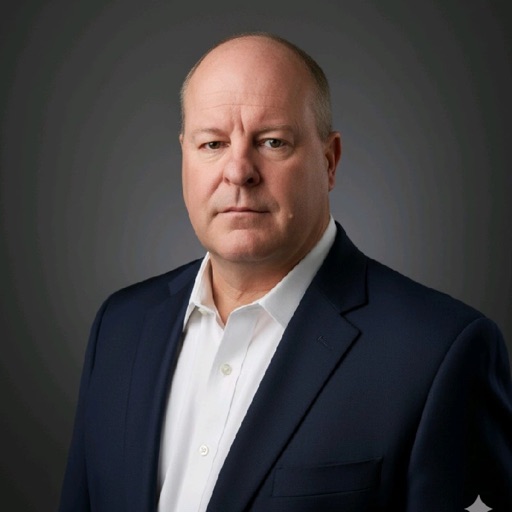
Eric Tade
Operations
Assistant Chief and former Chief, Denver Fire Department
Chief Tade keeps vitalvoice honest about what crews need on a call. He works directly with our customer departments on implementation and training, and on what we build next.

Dr. Gregory Gilbert
Clinical practice
EMS Medical Director, San Mateo County · Board-certified in EMS and emergency medicine
Dr. Gilbert tests vitalvoice against the realities of EMS: field workflows, documentation requirements and patient care, so it fits the way crews already work.
The founders
A clinician and an engineer
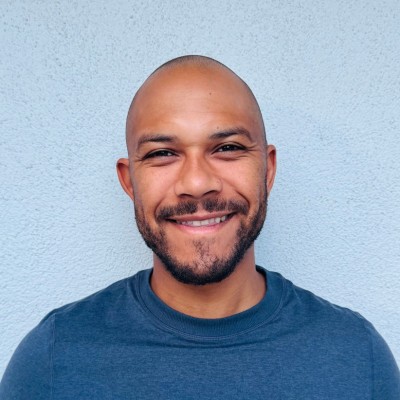
Kory Kindle
CEO and co-founder
DPT, Doctor of Physical Therapy
A healthcare provider who lived the problem. After years of watching patients fall through the cracks of phone interpreters and end-of-shift charting, Kory set out to build the tool he needed, and found the engineer who could.
Connect on LinkedIn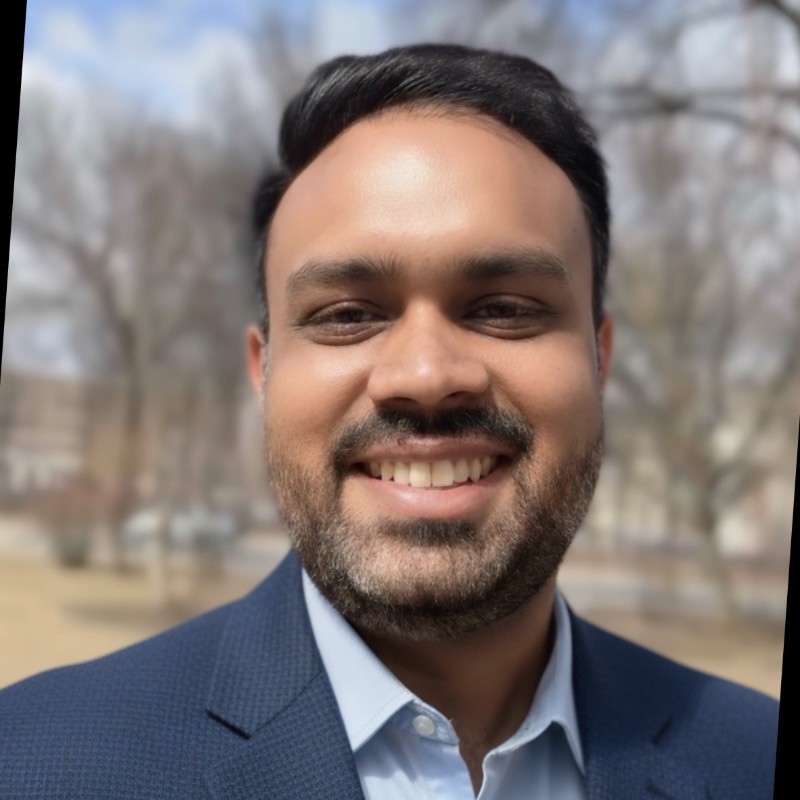
Ishan Ahuja
CTO and co-founder
Real-time streaming and AI infrastructure
Before vitalvoice, Ishan built low-latency livestreaming infrastructure at scale. He built the first version of vitalvoice, took it to firefighters, then rebuilt it around what they asked for: offline, automatic language detection, and charts in each department’s own format.
Connect on LinkedInWhere it started
An elderly woman sat in front of Kory in his clinic, clutching her chest. She spoke only Mandarin. He dialed the interpreter line and waited four minutes on hold while she watched him wait.
“I watched her trust evaporate. And I knew I had to fix this.”
That was the first version. Firefighters showed the team the rest: the chart owed at the end of every call. So vitalvoice became a documentation platform, with interpretation built in.